


The journey of chance tracing the historical evolution of gambling
The Origins of Gambling
The history of gambling dates back thousands of years, with evidence suggesting that ancient civilizations engaged in games of chance as early as 3000 BC. The earliest records of gambling can be traced to China, where rudimentary forms of games were played using dice made from bone and wood. These early practices highlight the human affinity for chance and risk, setting the foundation for future gambling activities across various cultures. If you’re interested in more information, you can open website that explores this topic extensively.
In ancient Egypt, games of chance were not only a form of entertainment but were also tied to religious practices and beliefs. Players would often gamble on the outcome of events, believing that the gods influenced the fortunes of the game. This intertwining of spirituality and chance demonstrates the deep cultural significance gambling held in early societies, emphasizing its role beyond mere amusement.
As societies evolved, gambling spread throughout the world. The Greeks introduced betting on athletic competitions, which became a popular way for citizens to engage with public events. By the time the Roman Empire rose to power, gambling had permeated daily life, with dice games and betting on chariot races becoming common leisure activities. This historical journey laid the groundwork for the sophisticated gambling systems we see today.
The Development of Gambling Games
Throughout history, various games have emerged, each reflecting the culture and values of the time. In medieval Europe, the invention of playing cards brought forth a new dimension to gambling. Initially used for recreational purposes, card games quickly evolved into betting games, introducing concepts of strategy and skill that attracted a wider audience. This transition marked a pivotal moment in gambling history, as it merged chance with tactical thinking.
In the 17th century, the development of roulette in France marked a significant innovation in the gambling landscape. This game of chance, characterized by its spinning wheel and ball, captivated players with its allure and unpredictability. Over time, variations of roulette spread across Europe and eventually to America, establishing it as a casino staple that remains popular to this day.
The 19th century witnessed the rise of the modern casino as we know it, with establishments built to house various games under one roof. The introduction of slot machines further revolutionized the gambling experience, offering an exciting, fast-paced alternative to traditional games. These advancements not only diversified the types of gambling available but also led to the creation of regulatory frameworks to ensure fair play and responsible gaming.
The Impact of Technology on Gambling
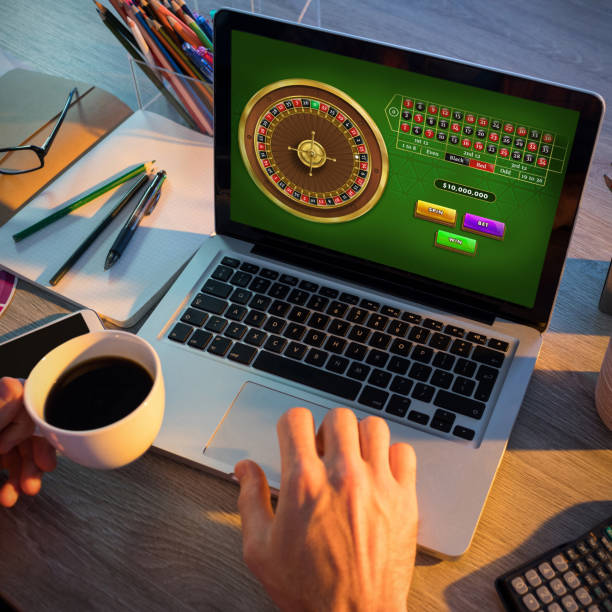
The advent of technology has dramatically transformed the gambling landscape, making it more accessible and varied than ever before. The introduction of online gambling in the late 20th century allowed players to engage in their favorite games from the comfort of their homes. This innovation removed geographical barriers and significantly increased the player base, leading to a boom in the industry.
In recent years, mobile technology has further enhanced the gambling experience. With the proliferation of smartphones and tablets, players can now gamble on the go, participating in live dealer games and placing bets on sporting events in real-time. This flexibility has made gambling more convenient, catering to the fast-paced lifestyles of modern society.
Moreover, advancements in artificial intelligence and virtual reality are poised to redefine gambling experiences even further. AI algorithms can analyze player behaviors to create personalized gaming experiences, while virtual reality can transport players into immersive gambling environments. As technology continues to evolve, the future of gambling holds exciting possibilities that will likely reshape how individuals engage with chance.
The Cultural and Social Perceptions of Gambling
Gambling has often been viewed through a complex lens, with societal attitudes fluctuating based on cultural beliefs and economic factors. In some cultures, gambling is seen as a legitimate form of entertainment and social interaction, while in others, it may carry stigmas related to addiction or moral decay. This dichotomy has led to differing regulations and acceptance levels around the world.
In many societies, responsible gambling initiatives have emerged to address concerns regarding addiction and financial risk. Organizations and governments have implemented educational programs to promote safe gambling practices, aiming to strike a balance between enjoyment and responsibility. This proactive approach illustrates a growing recognition of the need for safeguards in an industry that can easily lead individuals astray.
The rise of online gambling has also prompted discussions about accessibility and its implications for society. While it offers convenience, the ease of access may contribute to higher rates of problem gambling. As such, creating awareness and support systems has become essential in fostering a healthy gambling environment, allowing individuals to enjoy the thrill of chance without compromising their well-being.

Exploring Modern Gambling Platforms
Today, the gambling landscape is dominated by a myriad of platforms, ranging from traditional casinos to innovative online and mobile gaming options. As the industry grows, so does the competition among casinos to attract players. Many offer enticing bonuses, diverse game selections, and rapid payout methods, catering to the evolving preferences of modern gamblers.
When choosing a gambling platform, players often look for user-friendly interfaces and secure payment options. Instant withdrawal casinos have gained popularity for their promise of quick access to winnings, enhancing the overall gaming experience. These platforms prioritize efficiency and security, ensuring that players can enjoy their favorite games without unnecessary delays.
As regulations continue to evolve, particularly in regions like North America, the market is becoming increasingly competitive. Online casinos are now subject to strict licensing requirements, providing players with a sense of security. This shift towards transparency and accountability has helped establish trust in online gambling, encouraging more players to explore the vast opportunities available.